About the Project
About : The Global Health Impact Project
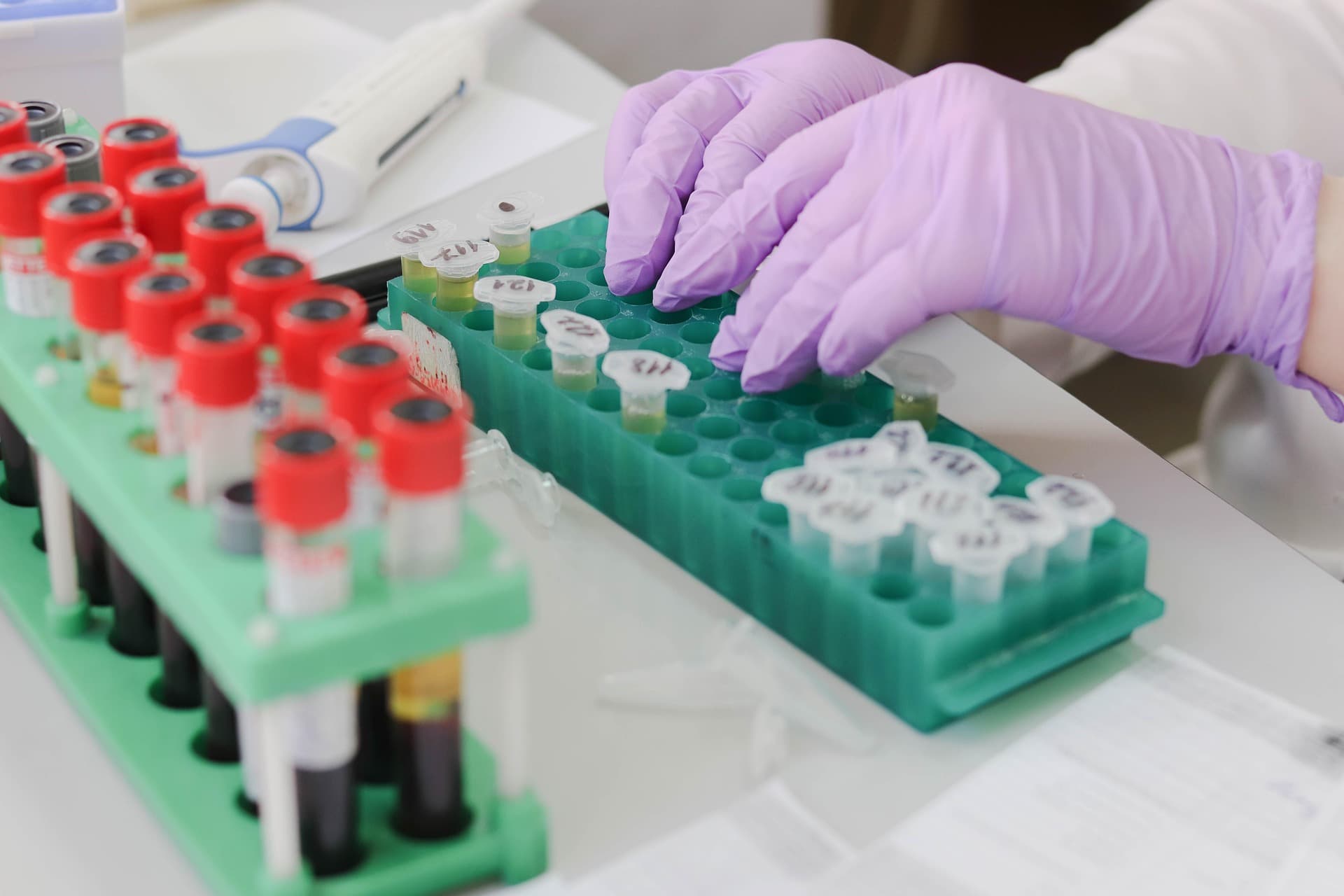
Imagine a world where people everywhere have access to the life-saving drugs they need to fight diseases like tuberculosis, malaria, and HIV/AIDS.
To help extend access to essential medicines, we have to understand the problem. The Global Health Impact Index opens the door to positive change by considering how essential medicines for some of the world's worst diseases are affecting global health.
The Global Health Impact (GHI) Project works to create positive change by measuring pharmaceutical products' impact on health. GHI considers how essential medicines for devastating diseases are affecting overall global health. Through GHI's models, drugs are ranked by the impact score they receive. Impact scores for each drug are measured by assessing the need for the drug, the drugs' effectiveness, and the access to the drug. GHI is able to elucidate the level of impact various pharmaceutical companies, and the drugs they produce, have. This information creates incentives for pharmaceutical companies to not only produce the most effective drugs, but also affordable ones, as access to the drug is used as measurement within the overall impact score.
For more general information on the construction of each Index, see Resources and for technical papers see Methodology.

Country Index
Compare treatment impact and unmet need across countries.
View index
Company Index
Review patent-holder rankings by total health impact.
View index
Disease Index
See disease-level impact, burden, coverage, and efficacy.
View index
Drug Index
Evaluate drug impact scores by disease and unmet need.
View indexThe Indexes
Indexes
Four indexes — Drug, Disease, Country, and Company — each revealing a different dimension of pharmaceutical impact on global health.
The Drug Index ranks drugs by their impact scores. The Disease Index examines the size of drugs' impact on each condition. The Country Index shows how much need in each country is alleviated by the drugs used there. The Company Index ranks companies by the cumulative impact of the drugs they make.
For more information, see Resources and Methodology. For the Company Index specifically, see Companies and Drugs.
Evaluating Drugs
There are three main considerations that go into evaluating each drug's potential impact. These are 1) the need for the drug 2) its effectiveness and 3) how many people who need a drug can access it around the world. In the Global Health Impact model, the drug impact scores feed into four Indexes that provide essential information about the access to medicines problem.
Potential Uses
There are many ways Global Health Impact information might be useful to policy makers, researchers, companies investors, consumers, and other people interested in global health. For some information about potential uses of the Index, see Resources and News. Together we can leverage the Global Health Impact Index to save millions of lives.
Publications
Our Reports
Who Are We? The Global Health Impact
This report explains about the Global Health Impact — what it measures, why it matters, and how it creates meaningful incentives for pharmaceutical companies to produce effective and affordable medicines for the world's most neglected diseases.
Click to read more
The Global Health Impact Index
This report explains the new Global Health Impact models — detailing how pharmaceutical products are evaluated, ranked, and used to inform decisions around global access to essential medicines.
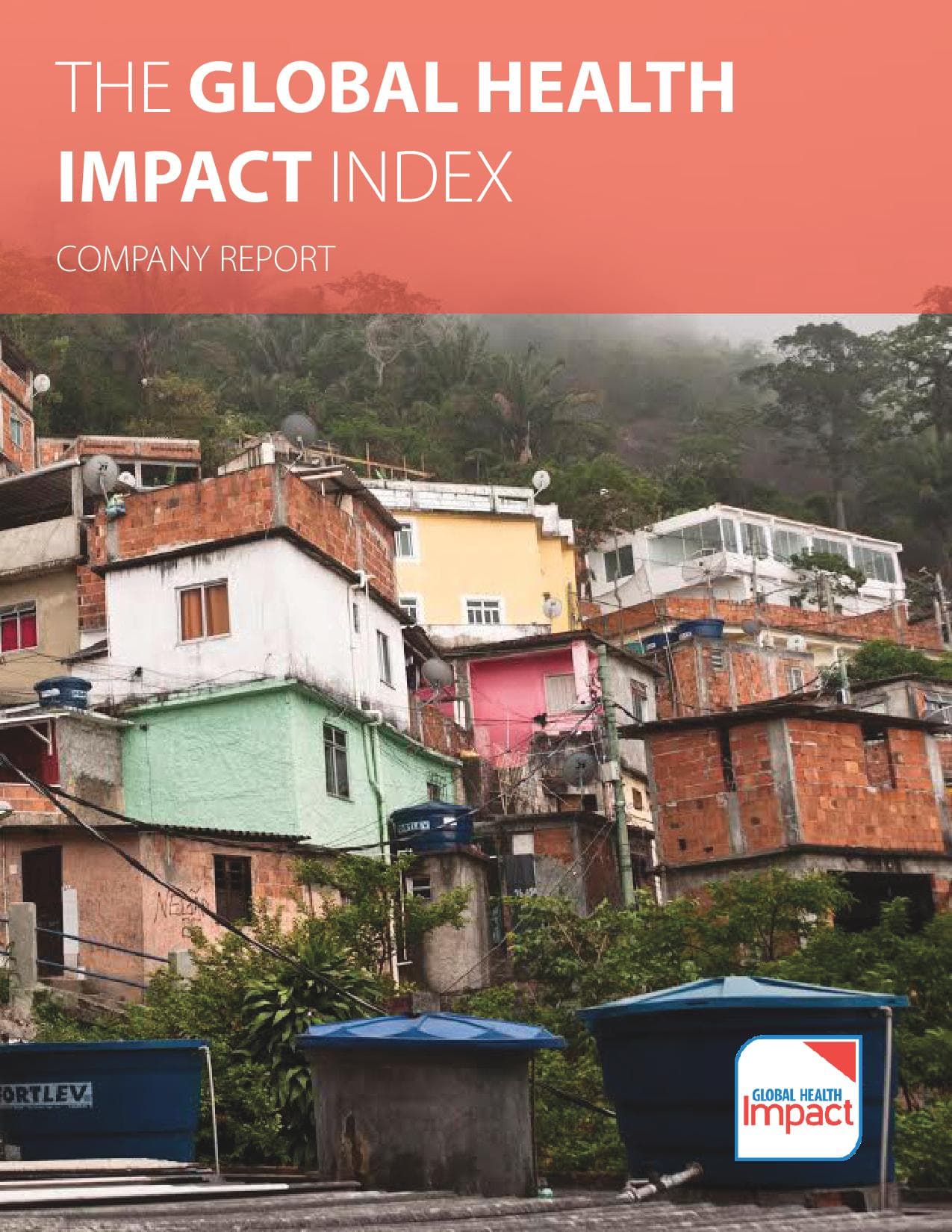
Click to read more
Watch & Learn
Learn More
Check out this video from Binghamton University for a brief presentation on the Global Health Impact project. Professor Nicole Hassoun introduces the Index, some possible uses for it, and explains the insight behind it.
To view the whole video, see Resources. For more videos, visit our YouTube channel.
Presentations
Check out this video from Indiana University for a brief presentation on the Global Health Impact project. Professor Nicole Hassoun introduces the Index, some possible uses for it, and explains the insight behind it .
Research Initiatives
Our Projects
An ongoing body of work spanning pandemic preparedness, access to medicines, international aid, and the ethics of a good life.
Pandemic Preparedness and Response+
Pandemic Preparedness and Response
Traditionally, bioethicists have focused on principles for equitable allocation of scarce health resources in pandemic preparedness and response. Rather than proposing criteria for shifting resources around, we may have a greater and more equitable health impact by reducing demand and increasing resources. This requires addressing the need for preventive measures, for re-assessing manufacturing and distribution systems, health care workers, funding, trust in science, community engagement, and principles for prioritization. We will consider how to measure success in these endeavors and the appropriate scope of allocation efforts but also ethical questions that arise in trying to constrain demand and expand supply. Value choices will underlie each of our determinations, and deciding which approaches are best requires ethical inquiry and debate among experts in the field and public discussion.
Globalization, Health, and Wellbeing+
Globalization, Health, and Wellbeing
As the COVID-19 pandemic surges around the world, for the first time many individuals in wealthy countries have learned what it is like to lack access to essential medicines. For people in low- and middle-income countries, limited access to essential health services has always been a problem. As globalization increases the global health threats we face, we require global responses. What are our obligations to promote health and wellbeing beyond borders? Should we modify rules of aid and trade to protect the health of all? The Global Health Impact Project aims to shed light on these questions to improve our ability to address current and future health crises.
The Social Determinants and History of Public Health+
The Social Determinants and History of Public Health
What can the history of public health teach us about how to protect everyone's ability to meet their basic needs? How can we address inequality, poverty, oppression, and violence that undermine efforts to advance health? This project addresses these questions and engages students, academics, and the public in discussion and debate.
Access to Essential Medicines and the Social Determinants of Health+
Access to Essential Medicines and the Social Determinants of Health
Adopting a human rights perspective on health supports international rights to access essential medicines. How can we make progress in fulfilling these rights? What are governments', the pharmaceutical industry's, and civil society's obligations in doing so? This project addresses these questions and considers access to essential medicines in the larger context of advancing access to basic health systems and the social determinants of health.
Health and International Aid+
Health and International Aid
Organizations like the Global Fund, World Bank, and GAVI, the Vaccine Alliance are responsible for allocating millions of dollars in aid to low-income, high disease burden countries. Our project seeks to examine the empirical determinants of this allocation and its ethical consequences to ultimately examine whether the allocation is just and maximally effective.
The Minimally Good Life+
The Minimally Good Life
This project responds to the question "How can we advance our understanding of the nature of good lives?" Appealing to both theoretical and empirical evidence, it defends the view that, to live minimally good lives, people need a certain range of conditions and pleasures that make life worth living. In relation to global health, this brings up the question of whether those without adequate access to medicines for endemic diseases such as HIV and malaria will be able to live a minimally good life. We will confront these issues so that these disadvantaged communities around the world may be able to live truly well without the worry of being unable to lead healthy lives.
Get Involved
Together We Can Save Millions of Lives
Leverage the Global Health Impact Index to inform policy, guide investment, and champion affordable access to essential medicines worldwide. Explore our data, read our methodology, or reach out to collaborate.
“This information creates incentives for pharmaceutical companies to not only produce the most effective drugs, but also affordable ones.”